

 See My Latest Article on HelloNation
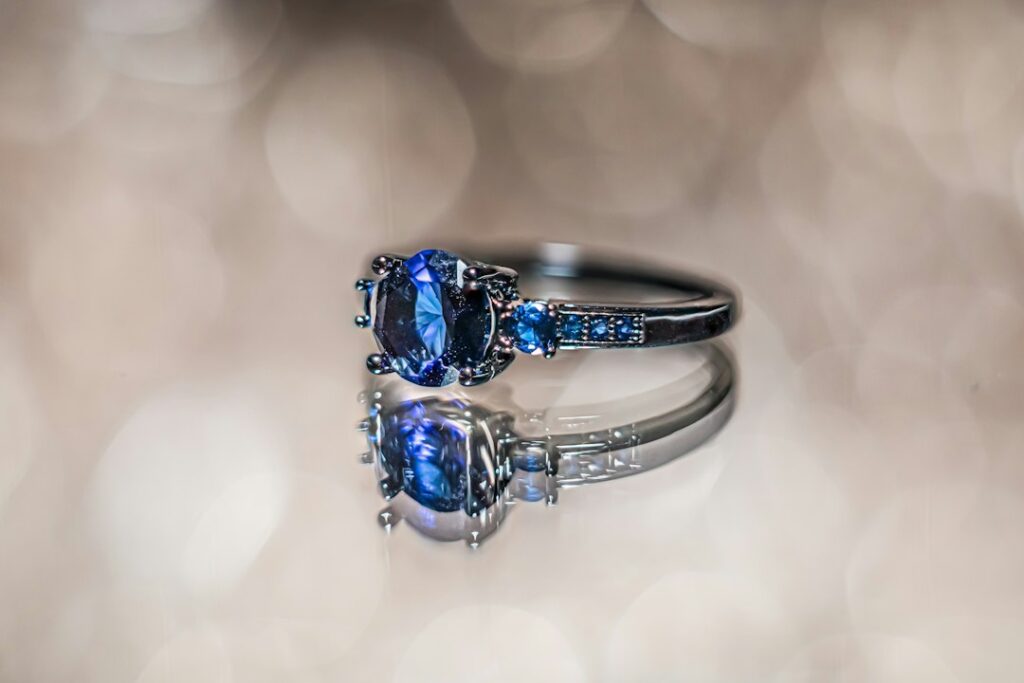
Does homeowners or renters insurance cover jewelry?
Usually, yes—but often only up to a limited amount and only for certain types of loss. A standard homeowners or renters policy may cover jewelry under personal property coverage, but special limits commonly apply to theft, and the policy may not fully cover an expensive ring, watch, heirloom, coin collection, or piece of art.
The limit may apply to the total value of a category rather than each individual item. For example, several pieces of jewelry may share one coverage limit. A deductible may also reduce the amount paid after a covered loss.
Coverage depends on the policy language. Some policies cover theft but not accidental loss, while others may exclude mysterious disappearance, wear and tear, damage caused by maintenance, or certain types of breakage.
A policyholder should review:
- The maximum limit for jewelry and other valuables
- Whether the limit applies per item or to the entire category
- Covered causes of loss
- The deductible
- Whether accidental loss is included
- Whether payment is based on replacement cost or actual cash value
- Any requirements for appraisals, receipts, or security measures
What is scheduled personal property?
Scheduled personal property is additional coverage for specifically listed valuables. It is often used when an item is worth more than the standard policy limit or needs broader protection.
A scheduled item is generally identified by description and value. Depending on the policy, scheduled coverage may provide protection for risks that are not covered under ordinary personal property coverage, such as accidental loss or misplacement. It may also have a lower or no deductible for the listed item, but that is not automatic.
Items commonly scheduled include:
- Engagement and wedding rings
- Watches
- Gemstones
- Family heirlooms
- Fine art
- Rare coins
- Collectibles
- Musical instruments
- Cameras
- Silverware
- Firearms
Scheduling an item does not mean every possible claim will be paid. Exclusions, maintenance requirements, security conditions, and policy definitions still apply.
How is jewelry valued for insurance?
The value used for insurance should reflect the cost to replace the item with one of similar quality, materials, craftsmanship, and characteristics. That may differ from the original purchase price, resale value, tax value, or sentimental value.
An appraisal can document details such as:
- Metal type and purity
- Gemstone type, weight, color, clarity, and cut
- Brand or maker
- Design and craftsmanship
- Measurements
- Identifying marks or serial numbers
- Estimated replacement value
A sales receipt may be useful, but it may not provide enough detail for an older piece or inherited item. Store appraisals, receipts, photographs, and certificates in a secure location separate from the valuables. Digital copies can be helpful, especially if paper records could be damaged by fire, water, or smoke.
Values can change over time. Jewelry and collectibles may become more expensive to replace, while other items may lose value. An updated appraisal may be appropriate after a major purchase, inheritance, remodel, marriage, divorce, or significant change in the market.
What should be included in a home inventory?
A home inventory is a written or digital record of possessions and their identifying information. It can make a claim easier to document and may reveal that coverage limits are too low.
For each valuable item, record:
- A clear description
- Purchase date and price, if known
- Current appraisal or replacement value
- Receipts and certificates
- Serial numbers, inscriptions, or identifying marks
- Several photographs, including close-ups
- Where and how the item is normally stored
Photograph the item from multiple angles and include distinctive details. For jewelry, take close-up images of settings, hallmarks, gemstones, and damage that existed before the policy began.
Keep inventory records somewhere that is not exposed to the same loss as the insured property. Encrypted digital storage, a secure cloud account, or a safe deposit arrangement may be useful. Avoid keeping the only copy in a jewelry box or filing cabinet inside the home.
Are valuables covered outside the home?

Many homeowners and renters policies provide some coverage away from the residence, but limits and exclusions may still apply. A ring lost while traveling, a watch stolen from a vehicle, or a camera damaged outside the home may be treated differently from an item stolen during a burglary.
Travel can create additional questions:
- Does the policy cover loss in another country?
- Is theft from a vehicle covered?
- Are items covered while checked in luggage?
- Does the policy cover accidental loss in public places?
- Are there special requirements for unattended property?
- Does the policy pay for temporary rental or replacement?
Residents in Kent may store jewelry differently depending on household routines, commuting patterns, apartment or single-family housing, and travel habits. A piece worn every day generally has more exposure to loss than one kept in a secured location and used only on special occasions.
Does a safe reduce the cost of coverage?
A safe, alarm system, locked storage, or other security measure may affect underwriting or pricing, but it does not replace insurance. A safe may also have limitations if it is not properly installed, is not rated for fire protection, or is accessible to unauthorized household members.
Policyholders should not assume that keeping jewelry in a safe removes the need to schedule it. The value, cause of loss, and policy wording remain central to how a claim is handled.
What happens if jewelry is lost or stolen?
Report theft to the appropriate law enforcement agency and notify the insurer promptly. Avoid repairing, cleaning, or disposing of damaged items before the claim process is complete unless immediate action is needed to prevent further damage.
Useful claim documentation may include:
- The policy number
- A police report for suspected theft
- Photos of the item
- Receipts and appraisals
- A home inventory
- Proof of ownership
- Details about when and where the loss occurred
- Information about anyone who may have witnessed the event
An insurer may ask for a sworn statement, supporting documents, or an examination under oath. Missing documentation does not necessarily mean a claim cannot be filed, but it can make ownership and value more difficult to establish.
Common mistakes to avoid
The most frequent problem is assuming that a valuable item is fully covered because it appears under personal property coverage. Other mistakes include:
- Waiting until after a loss to photograph an item
- Using an outdated appraisal
- Failing to report an inheritance or newly purchased item
- Assuming sentimental value is included in the insured value
- Keeping the only records at home
- Confusing a manufacturer’s warranty with insurance
- Assuming accidental loss is covered under a basic policy
- Forgetting to update coverage after replacing or selling an item
The safest approach is to compare the value of each important item with the policy’s specific limits, exclusions, deductible, and claim payment method. If the standard coverage is not sufficient, the policy may need an endorsement or separately arranged protection for the particular valuables involved.